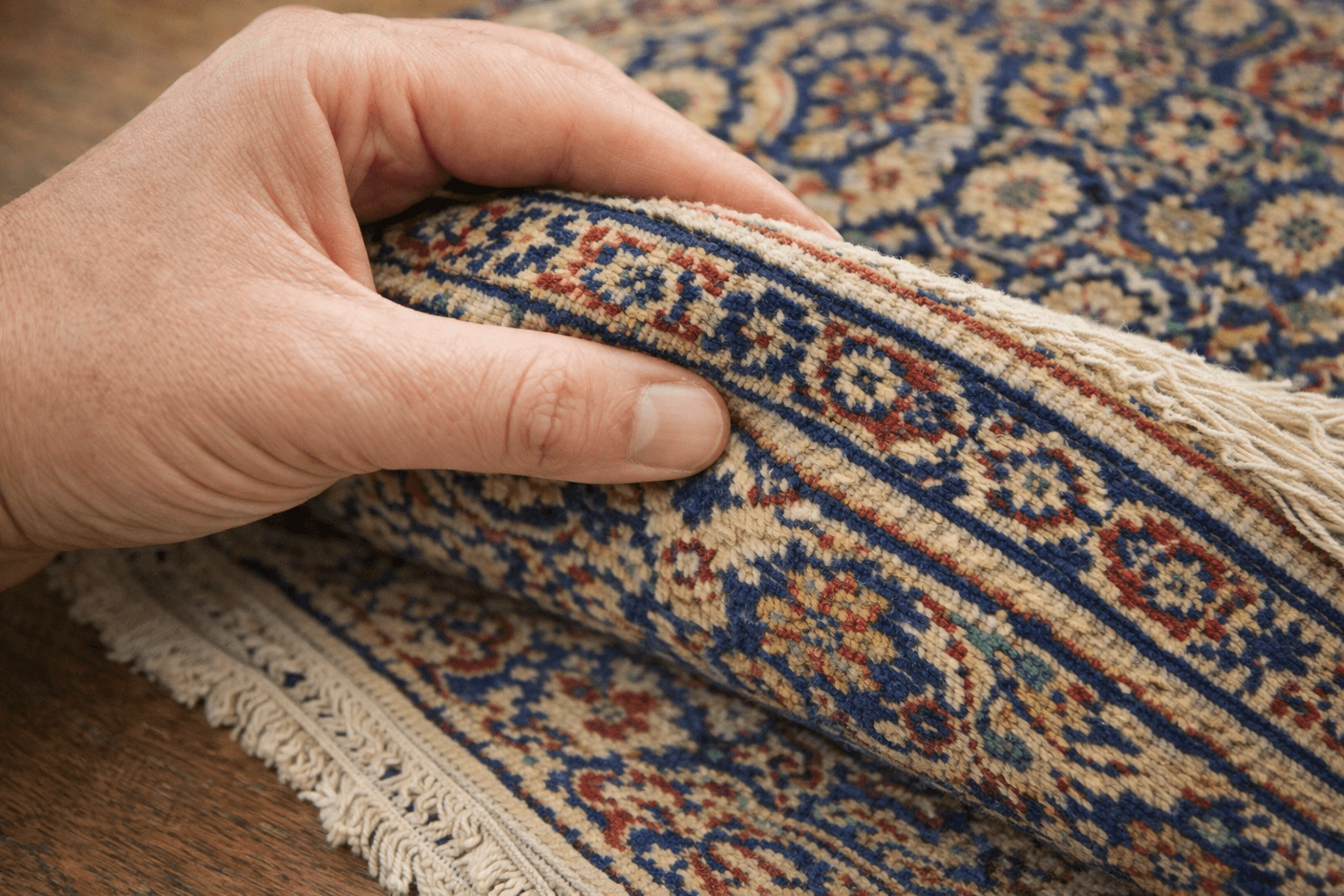
Wool is the foundation of many handmade oriental rugs, and the quality of that wool has a direct impact on how a rug looks, feels and performs over time. Understanding different wool grades helps you appreciate the craftsmanship behind each piece and recognise the factors that contribute to durability, softness and overall value.
Why Wool Quality Matters
Wool is a natural fibre known for its resilience, natural flame resistance and ability to repel dirt thanks to its lanolin content. However, wool quality varies widely. Elements such as the sheep’s environment, fibre length, fineness and processing methods all influence the outcome. Higher-quality wool enhances durability and improves the clarity and depth of the rug’s design.
What Determines Wool Grade?
Fibre Length
Longer fibres create stronger, more durable yarn that sheds less and helps maintain an even pile. Shorter fibres can break more easily and often result in a fuzzier appearance.
Fibre Fineness
Finer wool produces a softer, more luxurious pile and can hold intricate detail in the weave. Coarser wool is stronger and well suited to tribal and nomadic rugs. You can explore examples of these styles in our Oriental Rugs by Type collection.
Crimp and Elasticity
Crimp refers to the natural waviness of a wool fibre. More crimp increases elasticity, helping the rug spring back underfoot and resist flattening. Wool with strong crimp contributes to long-term durability.
Lanolin Content
Lanolin is the natural oil found in wool that gives it water- and stain-resistant properties. Higher lanolin content enhances the rug’s ability to repel dirt and maintain its natural sheen.
Source of the Wool
The region where the sheep are raised plays a major role in wool quality:
- Highland wool (such as Afghan or Persian) is strong, rich in lanolin and ideal for long-lasting rugs.
- Lowland wool tends to be softer but may lack the same resilience.
- New Zealand wool is prized for its purity, strength and consistency.
- Village or tribal wools often have unique textures that add character.
Common Wool Types Used in Handmade Rugs
Kork Wool
Kork wool is taken from the neck and underbelly of the sheep and is considered one of the finest wool grades available. It is exceptionally soft and often used in higher-end Persian rugs.
Merino Wool
Known for its softness and fineness, merino wool is luxurious but less commonly used in traditional oriental rugs due to its cost and delicate structure.
Highland and Mountain Wools
Highland wool, used widely in Afghan and tribal rugs, is robust and rich in lanolin, making it an excellent choice for durable pieces.
Semi-Worsted Wool
This wool is partially combed, sitting between pure worsted and woollen yarn. It produces clean, even yarn with good resilience.
How Wool Processing Affects Quality
Hand-Spun Wool
Hand-spun wool creates natural variations in yarn thickness, giving handmade rugs depth and character. It also increases durability due to the natural twist created in the spinning process.
Machine-Spun Wool
Machine-spun wool results in uniform yarn but may lack the texture and resilience of hand-spun fibres.
Vegetable Wash vs Chemical Wash
- Vegetable-dyed and gently washed wools retain more lanolin and natural texture.
- Chemical-washed wools may appear shinier at first but lose protective oils, reducing long-term resilience.
Why Fibre Selection Matters to Buyers
Wool grade affects how a rug ages, how it handles daily use, shedding behaviour, colour clarity and overall lifespan. Understanding wool quality helps you evaluate craftsmanship and make informed decisions when choosing a handmade rug. If you’re exploring rug options for your home, our size and styling advice in the Guides section may also be helpful.